Composite cladding, uPVC cladding and fibre cement cladding are all low maintenance alternatives to timber, but they suit different projects. Composite cladding is often the preferred choice for residential applications, uPVC offers the most economical solution, and fibre cement is frequently specified where fire performance is a key consideration.
Understanding these differences can make choosing the right material much easier.
When Is Composite Cladding the Right Choice?
Composite cladding is one of the most popular options for homeowners, self builders and renovators looking to improve the appearance of an exterior wall.
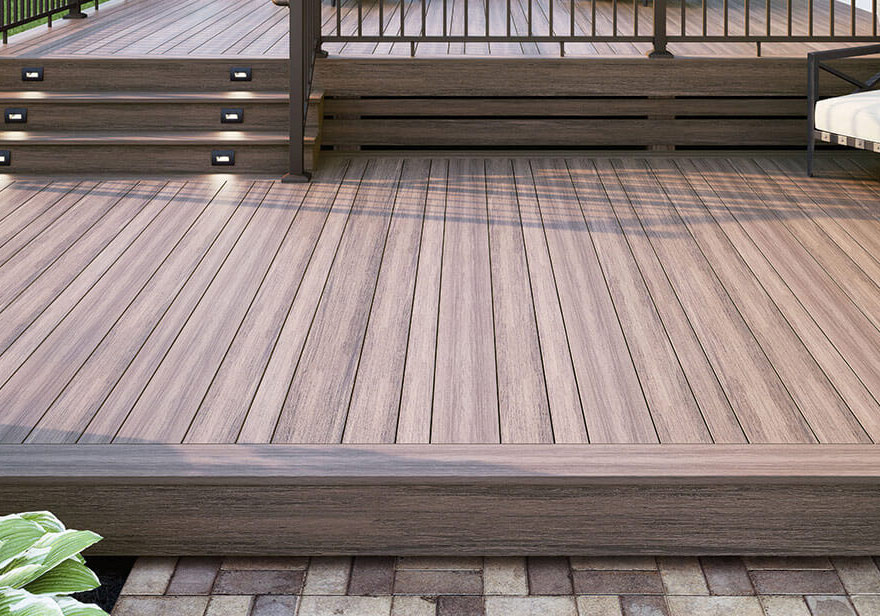
Products such as Durasid Foresta and Storm Triton, combine durability with realistic timber effect finishes, creating a contemporary look without the maintenance requirements of traditional wood.
Composite cladding is commonly used on extensions, garden rooms, feature walls and modern residential developments. It is lightweight, easy to work with and available in a variety of colours and profiles.
For many domestic projects, it provides the ideal balance of appearance, performance and value.
When Does uPVC Cladding Make Sense?
uPVC cladding is often chosen where practicality and budget are the main priorities.
It is fully weather resistant, simple to install and requires very little ongoing maintenance. This makes it particularly suitable for garages, outbuildings, utility areas and other functional spaces.
While it does not offer the premium appearance of composite cladding, it remains a reliable and cost effective option for many projects.
Its lightweight construction also makes it attractive to contractors working to tight installation schedules.
Why Do Architects Specify Fibre Cement Cladding?
Fibre cement cladding, including James Hardie Plank, is often specified on projects where durability and fire performance are important considerations.
Manufactured from cement, sand and cellulose fibres, these boards are highly resistant to weather, impact and moisture. They are also non-combustible, making them suitable for a wide range of residential and commercial applications.
Although fibre cement is heavier and more involved to install than composite or uPVC alternatives, it offers exceptional long term performance.
Which Cladding Material Should You Choose?
If you’re cladding a home, extension or garden room, composite cladding is often the preferred option. For practical, budget conscious projects, uPVC remains a strong choice. Where fire resistance and specification requirements are critical, fibre cement cladding is often the answer.
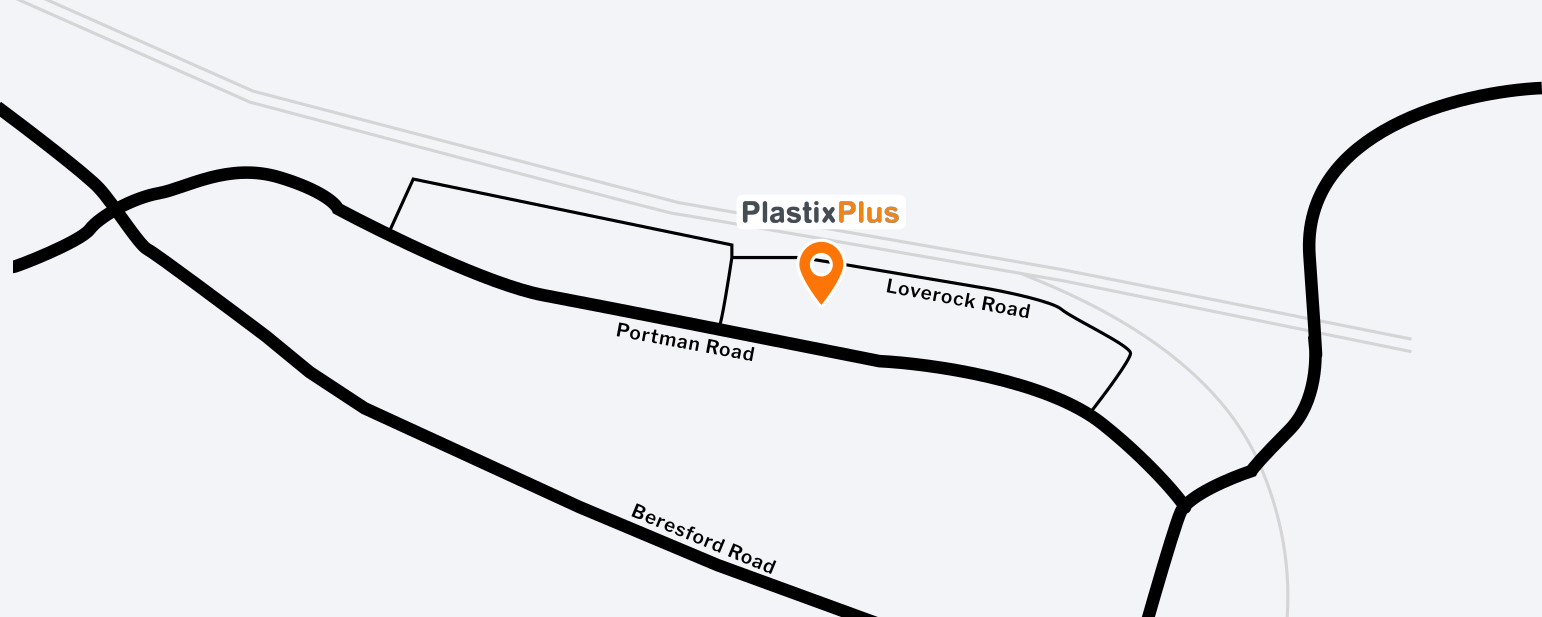
At PlastixPlus, we stock composite, uPVC and cement board cladding from leading manufacturers, with trade prices, next-day delivery and collection available from our Reading Trade Centre. All products are available to view in our showroom.